 Veröffentlicht von
 Schwabing is one of Munich’s most famous and characterful districts. For more than a century, it has been associated with artists, intellectuals, students and nightlife. Today, Schwabing combines elegant residential streets, trendy cafés, university life and green spaces like the English Garden.
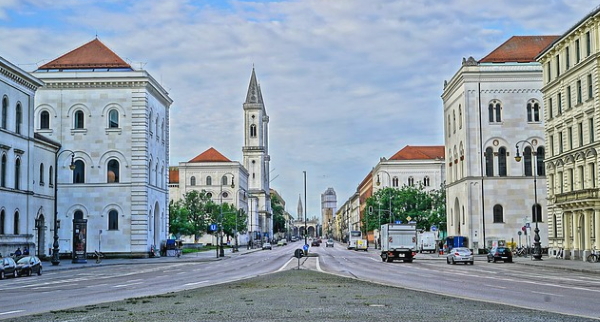
If you want to experience a different side of Munich beyond the Old Town around Marienplatz, Schwabing is the place to go. It feels more local, more relaxed and sometimes more creative.
This guide covers:
- The history of Schwabing
- Main streets and highlights
- Cafés, nightlife and atmosphere
- How to get there
- Where to stay
- How to combine Schwabing with other Munich sights
Explore Munich Beyond the Old Town
Guided walking tours often focus on the historic center, but some also explore creative districts like Schwabing. A local guide can explain its artistic and bohemian past.
Where Is Schwabing?
Schwabing lies north of Munich’s city center and stretches toward the English Garden. It is well connected by U-Bahn lines and easy to reach from central Munich within minutes.
The district borders:
- The English Garden to the east
- The museum district (Kunstareal) to the south
- Modern residential areas toward the north

Munich city tour on the subject of the Third Reich
From our point of view a well done and interesting city tour: Munich was the beginning of the Nazis, Adolf Hitler lived in the city for many years. Munich is known for the resistance of the White Rose group. At the end of the war the city lay in ruins. Start of the tour at Marienplatz, guided tour on foot, duration about 2.5 hours.
A Short History of Schwabing
In the late 19th and early 20th centuries, Schwabing became the center of Munich’s artistic and intellectual life. Writers, painters and thinkers gathered here in cafés and studios. The district was often compared to Montmartre in Paris.
Famous figures associated with Schwabing include writers, expressionist painters and members of avant-garde movements. The area was known for:
- Bohemian lifestyles
- Artistic experimentation
- Political discussions
- Independent thinking
Although Schwabing today is more upscale and residential, traces of this creative past still shape its identity.
Main Streets and Areas in Schwabing
Leopoldstraße
Leopoldstraße is the main boulevard of Schwabing. It is lively, wide and lined with shops, cafés and restaurants. Students from nearby Ludwig-Maximilians-Universität (LMU) and the Technical University of Munich bring energy to the area.
In summer, terraces fill with people enjoying drinks and conversation late into the evening.
Münchner Freiheit
Münchner Freiheit is one of Schwabing’s central squares. It serves as a transport hub and a meeting point. Street musicians, small markets and busy cafés create a dynamic atmosphere.
Hohenzollernstraße
This street offers a mix of boutiques, bakeries and smaller local shops. It feels less touristy and more neighborhood-focused.
Schwabing and the English Garden
One of Schwabing’s greatest advantages is its direct access to the English Garden, one of the largest urban parks in the world.
From Schwabing, you can easily walk or cycle into the park. Popular highlights include:
- Monopteros viewpoint
- Chinese Tower beer garden
- Large sunbathing meadows
This proximity makes Schwabing one of the most desirable residential areas in Munich.
Cafés and Nightlife
Schwabing is known for its café culture. Many traditional and modern cafés line Leopoldstraße and the surrounding streets.
At night, the district becomes lively. Bars and small clubs attract a younger crowd, especially students.
If you’re interested in Bavarian cuisine, you can also explore restaurants offering local dishes. See our guide to Bavarian kitchen.
Shopping in Schwabing
Unlike the main pedestrian zone (Munich city center shopping area), Schwabing’s shopping scene is smaller and more individual.
Here you’ll find:
- Independent fashion boutiques
- Bookstores
- Design shops
- Specialty stores
Architecture and Atmosphere
Schwabing features many elegant 19th-century residential buildings with decorative façades. Tree-lined streets and quiet courtyards give parts of the district a peaceful, almost village-like feel.
At the same time, main roads are busy and urban. This contrast between calm side streets and lively boulevards defines Schwabing’s character.
How Long Should You Spend in Schwabing?
- 1–2 hours: Walk along Leopoldstraße + coffee break
- Half day: Combine Schwabing + English Garden
- Evening visit: Dinner and nightlife
How to Get to Schwabing
Schwabing is easily accessible:
- U-Bahn: U3 and U6 to Münchner Freiheit
- Tram and bus connections available
More transport tips:
Stay in Schwabing
Schwabing is one of the best areas to stay in Munich if you want a lively but local atmosphere with quick access to the English Garden.
See also: Good hotels in Munich
Combine Schwabing with Other Attractions
Schwabing + English Garden
The most natural combination. Walk through the district and relax in the park.
Schwabing + Museum District
Head south to visit the Alte Pinakothek or the Pinakothek der Moderne.
Schwabing + City Center
On another day, explore Marienplatz and the historic Old Town.
Pros and Cons
Pros
- Lively but authentic atmosphere
- Close to English Garden
- Good nightlife and cafés
- Well connected by public transport
Cons
- More residential than tourist-focused
- Less traditional sightseeing compared to Old Town
Is Schwabing Worth Visiting?
Yes, especially if you want to experience a more local side of Munich. It’s ideal for relaxed afternoons, café culture and evening outings. If you’re staying longer than two days, Schwabing should definitely be part of your itinerary.
More Munich District Guides
Great bike city tour through Munich: The city center of Munich is quite large. It’s not easy to see everything on foot in one day. A bike tour is ideal. On this tour (3 to 3.5 hours) the bike comes from the city tour provider. Well done tour through Munich with sights in the center, English Garden etc.: More information and booking